The history of aviation accidents attributed to human error that have lead to the implementation of Crew Resource Management. Originally developed for multi crew environments, it is now equally important for single pilot operations.
It encompasses a wide range of knowledge, skills and attitudes which are the human factors affecting flight.
Whilst these factors are not new to aviation they have generally been expressed in terms such as Airmanship, Captaincy or Crew Co-operation and have not been focused on until recently when human errors have been recognised as major factor in aviation safety.
CRM now has a more contemporary approach and has developed to carefully focus on human performance with specific emphasis on situational awareness, risk,problem solving, decision making, teamwork, communications and threat and error management.
Course Development
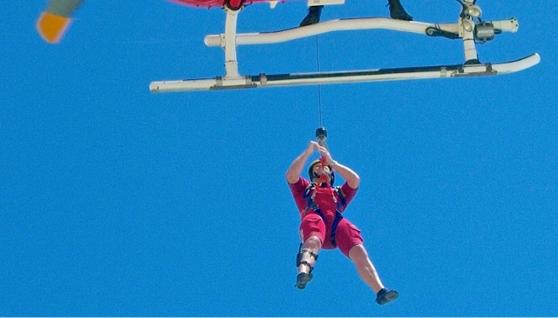
Our CRM courses have been developed by aviators who have thousands of hours operating in general aviation and also in the low level environments of emergency services. They understand the demands and pressures of not only the aviation environment in single and multi crew configurations but also operating in high risk situations often at low level and in close proximity to hazards and obstructions.
Course Content
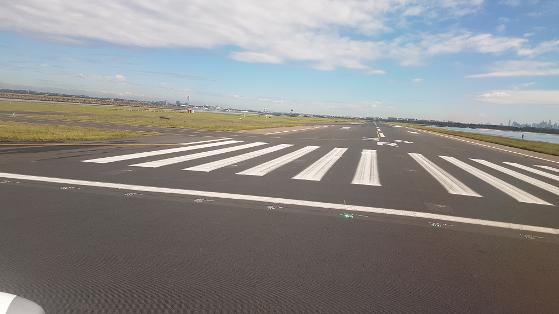
The course engages with students through case studies, role plays, simulation and scenario analysis. It provokes thought and self analysis whilst providing information and techniques for the personal development of skills to enhance human factors in the aviation environment.
Specific content can be adapted to organisational procedures and includes Organisational Safety Culture, Airmanship, Fatigue, Stress and Other Drugs, Effective Communications, Leadership, Decision Making, Teamwork, Situational Awareness, Threat and Error Management
Interactive Virtual CRM Simulation
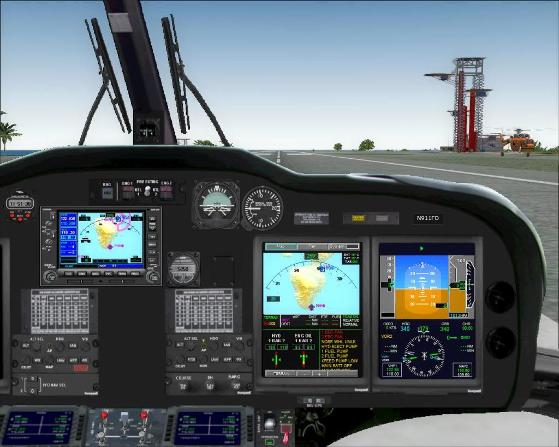
To maximise the use of modern technology, our CRM course includes interactive virtual simulation of a single or multi crew mission in either fixed or rotary wing configuration consistent with training requirements. Students will fulfill various roles consistent with their real flight crew positions and complete a mission with various instructor led scenarios. The mission will be conducted in real time and includes instructor facilitated discussion and student interaction to practically engagethe theoretical aspect of human factors in aviation. Missions can be configured to organisation needs and include fixed and rotary wing, weather, systems failures, environment, location, and tasks including power-line, wind turbine and solar farm aspects.


Copyright PacificBiz 2020